

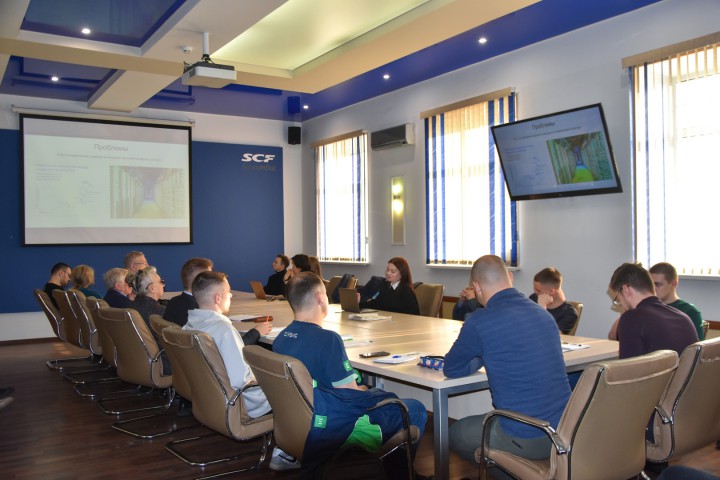
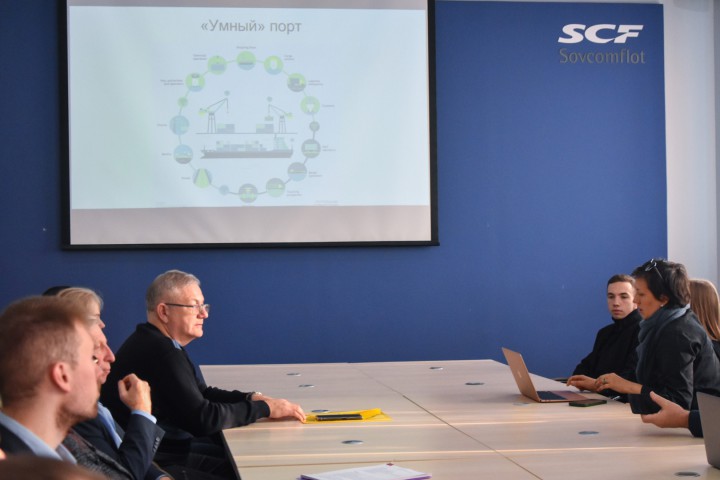

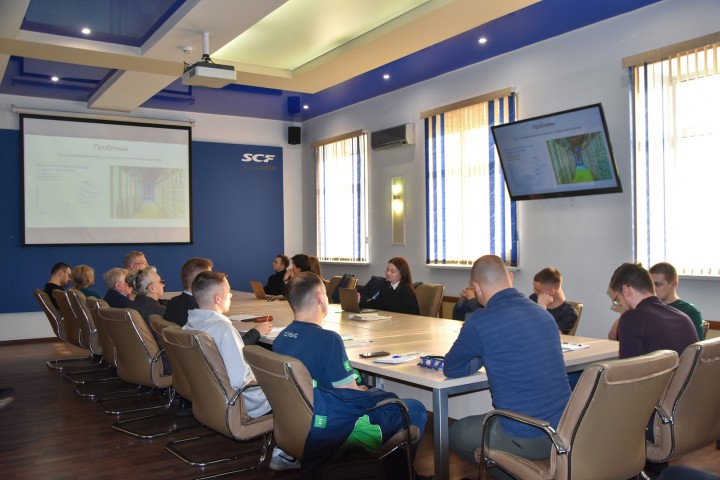
In the last couple of years we have seen an explosive growth in reports of ‘unprecedented successes’ in generative Artificial Intelligence (AI) technologies. The internal showdowns at the recent startup Open AI, known for its product called ChatBot GPT, shocked and horrified the “civilized world,” probably more than the war between Israel and Hamas. What is true in all this, what is simply a product placement from IT technologists, and whether there is a future for generative AI in the maritime industry – these topics were discussed by experts from various scientific and educational institutions in Vladivostok.
Since the spring of this year, the editors of the “Asia-Pacific Journal of Marine Science & Education” have been testing several free and semi-commercial software packages using generative AI. The results obtained are, to put it mildly, ambiguous, as reported by Dr. Anastasia Barannikova, the online editor of the magazine. In any case, today it is too early to say not only that this class of AI will soon replace journalists, but also whether it can even be trusted to edit articles or collect material for them on the Internet.
At the same time, systems based on “traditional” AI technologies are spreading in many areas without much advertising hype, gradually evolving. The round table participants talked about the important stages of this process, noting, in particular, that modern machine-learning modular neural network designs are several orders of magnitude “smarter” and more powerful than the original expert systems that we started to deal with since late 1980s.
According to the general opinion of the participants, research in the field of practical implementation of AI technologies in the maritime industry of the Far East of the Russian Federation, in the digitalization of cross-border transportation, as well as in the educational process at the Maritime University will intensify in 2024. Our goal is to make new IT technologies work for the benefit of the whole society and not just transnational corporations, which today invest fabulous amounts of money for the sake of “advanced” imposition of their goods and services on consumers.
We plan to devote one of the future issues of our Journal to various aspects and challenges of introducing AI in maritime and logistics industries.
 marinejournal.info